
Dímelo Slides › A2 › ¿Qué has hecho hoy?
A2An interactive Spanish lesson for elementary learners, from the Learn Dominican Spanish course. Topic: Pretérito perfecto compuesto (hablar de experiencias recientes).
See it: Hoy he…: el perfecto

Perfecto: pasó en un tiempo que aún no ha terminado (hoy, esta semana). Present perfect: it happened in a time that is not over yet.
Haber + participio
| haber | + participio |
|---|---|
| heI have | comidoeaten |
| hasyou have | viajadotraveled |
| hahe / she has | hechodone |
| hemoswe have | vistoseen |
| hanthey have | vueltocome back |
¿Perfecto o indefinido?
| He comido (tiempo que sigue) | Comí (tiempo terminado) |
|---|---|
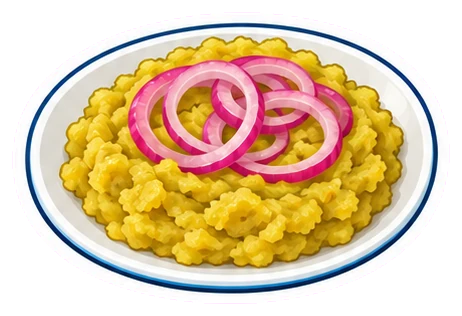 Hoy he comido mangú.Today I've eaten mangú. Hoy he comido mangú.Today I've eaten mangú. | Ayer comí mangú.Yesterday I ate mangú. |
| ¿Has estado alguna vez en Samaná?Have you ever been to Samaná? | El año pasado estuve en Samaná.Last year I was in Samaná. |
Examples
| hoy | today |
| esta mañana | this morning |
| esta semana | this week |
| este año | this year |
| ya | already |
| todavía no | not yet |
| alguna vez | ever |
| nunca | never |
Quick check
1. Hoy ___ mucho. (trabajar · yo)
he trabajado · he trabajando · ha trabajado
Answer: he trabajado
2. ¿___ alguna vez en avión? (viajar · tú)
Has viajado · Ha viajado · Has viajando
Answer: Has viajado
3. Todavía no ___ la tarea. (hacer · nosotros)
hemos hecho · hemos hacido · han hecho
Answer: hemos hecho
4. Esta mañana ellos ___ temprano. (salir)
han salido · han salida · ha salido
Answer: han salido
5. Ya ___ esa película. (ver · yo)
he visto · he vido · has visto
Answer: he visto

Practise it free
16 interactive slides with audio, 7 exercises that correct themselves, and games:
- Memory
- Tic-tac-toe
- Escape: open the lock
- Board game
Free: 50 Dominican words you’ll hear on day one
A 10-page PDF with meanings and real examples. Straight to your inbox.