Dímelo Slides › B2 › El mundo hispano
B2An interactive Spanish lesson for upper intermediate learners, from the Learn Dominican Spanish course. Topic: Países hispanohablantes (hablar de mundo hispano).
Una lengua, muchas palabras
| República Dominicana | México | España |
|---|---|---|
 guaguabus |  camiónbus | autobúsbus |
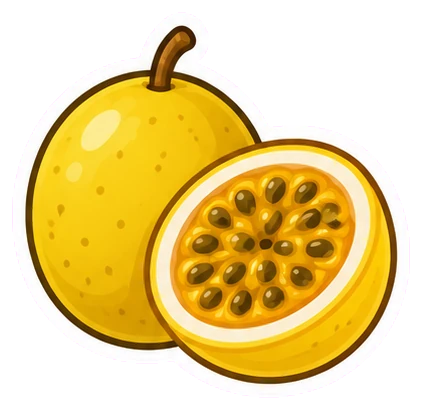 chinolapassion fruit | maracuyápassion fruit | maracuyápassion fruit |
| vainathing / stuff | cosathing | cosa / chismething |
Así se dice en RD
| En todas partes | En RD |
|---|---|
| de Santo Domingofrom Santo Domingo | Los capitaleños hablan rápido.People from the capital talk fast. |
| del Cibaofrom the Cibao region | La comida cibaeña es muy rica.Food from the Cibao is very good. |
| del surfrom the south | Mi mamá es sureña, de Barahona.My mom is from the south, from Barahona. |
Examples
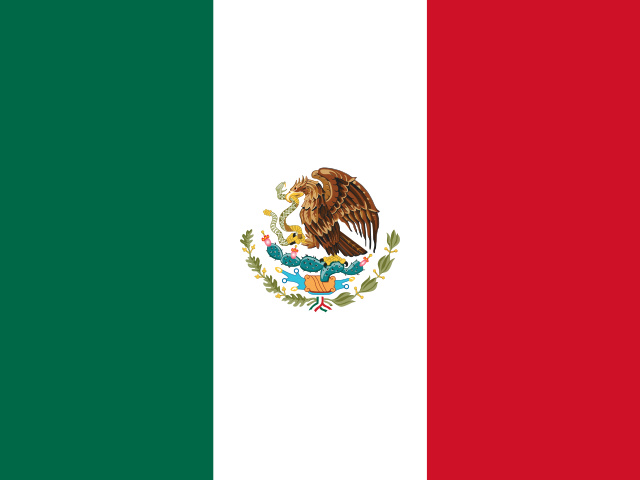 México | Mexico |
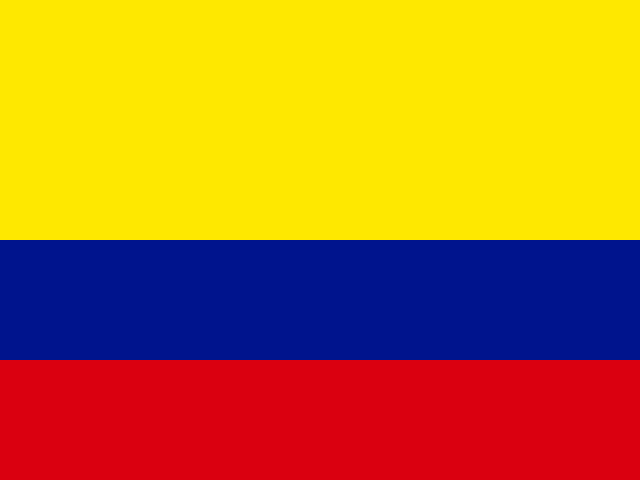 Colombia | Colombia |
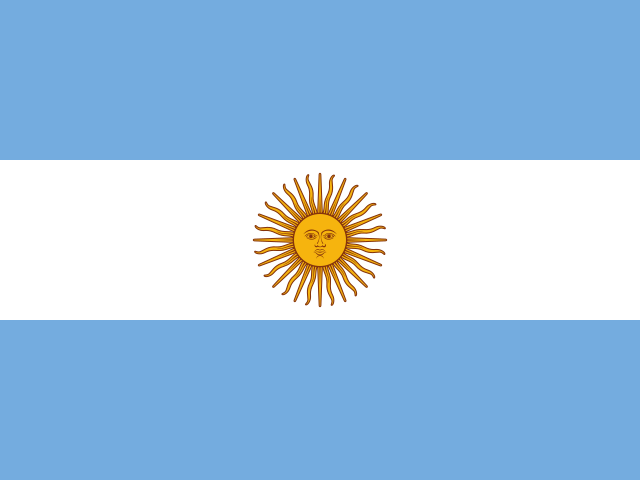 Argentina | Argentina |
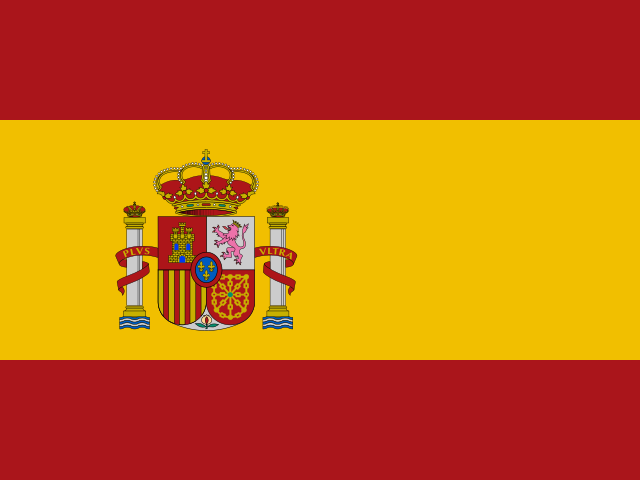 España | Spain |
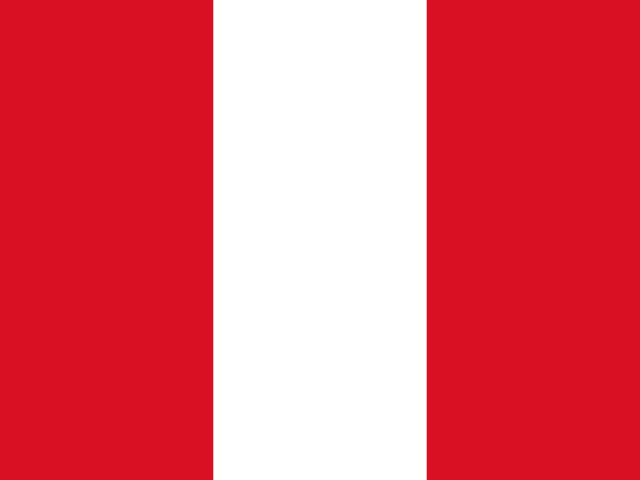 Perú | Peru |
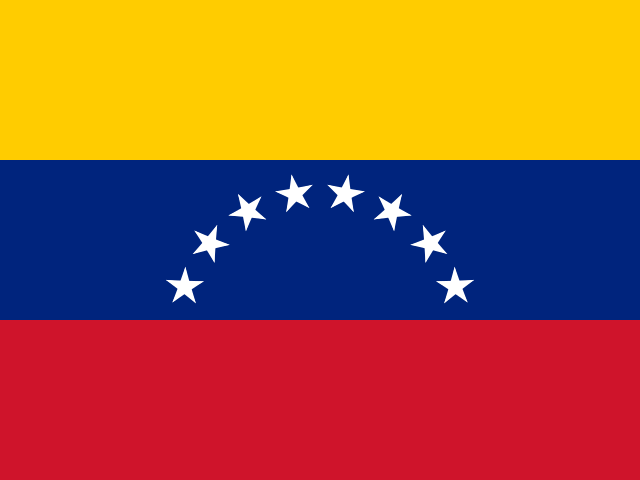 Venezuela | Venezuela |
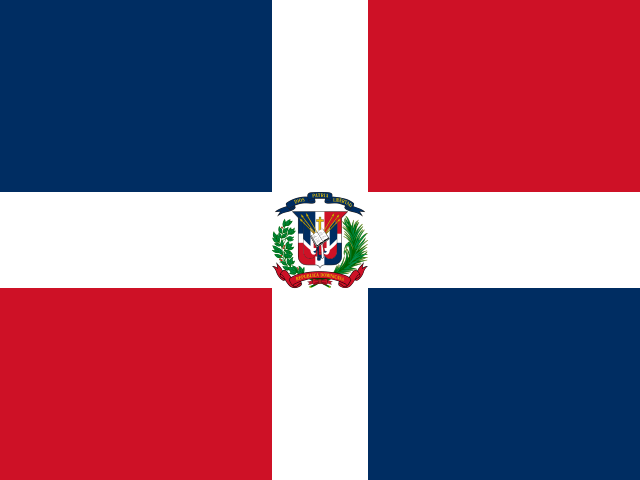 República Dominicana | Dominican Republic |
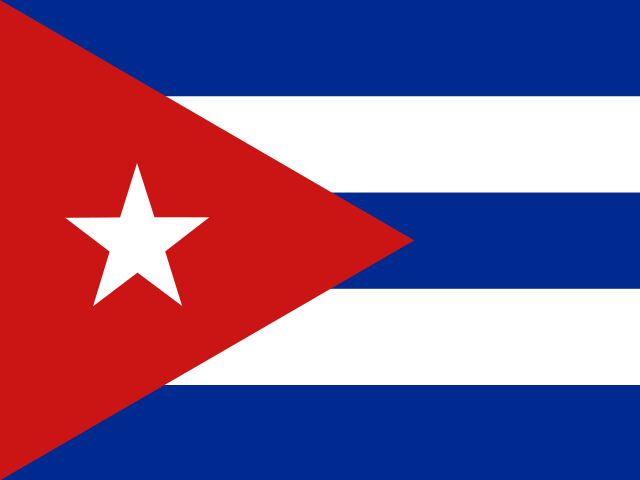 Cuba | Cuba |
Dominican words in this lesson
| capitaleño | from Santo Domingo = de Santo Domingo | Él es capitaleño, vive en la Zona. He's from the capital, he lives in the Colonial Zone. |
| cibaeño | from the Cibao region = del Cibao | Se le nota el acento cibaeño. You can hear his Cibao accent. |
| sureño | from the south = del sur | La comida sureña es distinta. Southern food is different. |
Dialogue: ¿De dónde eres? (1/3)
A: Tu acento no es de aquí. ¿De dónde eres?
Your accent isn't from here. Where are you from?
B: Soy de Buenos Aires, pero vivo en Madrid.
I'm from Buenos Aires, but I live in Madrid.
A: ¡Qué interesante! ¿Y te cuesta entender a los dominicanos?
How interesting! And is it hard to understand Dominicans?
B: Al principio sí, porque hablan muy rápido. ¡Ahora me encanta!
At first yes, because they speak so fast. Now I love it!
Dialogue: ¿De dónde eres? (2/3)
A: ¿Y qué palabras te costaron más?
And which words were hardest for you?
B: «Guagua», por ejemplo. En Argentina decimos «colectivo».
«Guagua», for example. In Argentina we say «colectivo».
A: ¿Y aquí qué comida te ha gustado más?
And what food have you liked most here?
B: El mangú, aunque extraño el asado de mi país.
Mangú, although I miss the barbecue from home.
Reading: Una palabra, muchos países
EL ESPAÑOL DE AQUÍ Y DE ALLÁ: la misma cosa con distintos nombres
Autobús: «guagua» en el Caribe; «colectivo» en Argentina; «camión» en México.
Dinero: «plata» en buena parte de Sudamérica; «lana» en México; «chavos» en Puerto Rico.
Popote o pajita: en México, «popote»; en España, «pajita»; en otros países, «pitillo».
Fresa o frutilla: «frutilla» en Argentina, Chile y Uruguay.
Jugo o zumo: «zumo» en España; «jugo» en América.
Computadora u ordenador: «ordenador» en España; «computadora» en casi toda América.
Niño: «chamo» en Venezuela, «pibe» en Argentina, «chavo» en México.
Bonito o genial: «chévere» en el Caribe y Colombia; «bacán» en Chile y Perú; «padre» en México.
Lo bueno: aunque cambien las palabras, todos nos entendemos.
Consejo: si viajas, aprende dos o tres palabras locales; la gente lo agradece.
Pregunta: ¿qué palabra de tu país te gustaría enseñar?Let’s talk: questions to practise
- ¿Qué país hispanohablante te gustaría conocer? Which Spanish-speaking country would you like to visit?
- ¿Qué acento del español te gusta más? Which Spanish accent do you like most?
- ¿Conoces palabras que cambian de un país a otro? Do you know words that change from one country to another?
- ¿Qué país hispano es famoso por su comida? Which Hispanic country is famous for its food?
Quick check
1. ¿Qué bandera es?
México · Colombia · Perú
Answer: México
2. ¿Qué bandera es?
Argentina · Uruguay · Chile
Answer: Argentina
3. ¿Qué bandera es?
República Dominicana · Cuba · Puerto Rico
Answer: República Dominicana
4. El único país hispanohablante de África es…
Guinea Ecuatorial · Marruecos · Egipto
Answer: Guinea Ecuatorial
5. ¿De dónde es el turista?
De Buenos Aires · De Madrid · De Santo Domingo
Answer: De Buenos Aires

Practise it free
39 interactive slides with audio, 14 exercises that correct themselves, and games:
- Memory
- Word search
- Tic-tac-toe
- Escape: open the lock
- Board game
📘 This lesson is also in the free book Spanish B2 · Book 2: download the PDF with exercises, answers and a QR code for every lesson. See all the books.
Free: 50 Dominican words you’ll hear on day one
More B2 lessons
Practice activities for this lesson
Play them on their own, print them as worksheets or share them with your students — made with Interactive Learning.
- ¿Qué país? · El mundo hispano (Multiple choice quiz)
- ¿Dónde está? · El mundo hispano (Sort into groups)
- El mundo hispano: memory (Memory game)
- El mundo hispano: sopa de letras (Word search)
- El mundo hispano: tres en raya (Tic-tac-toe quiz)
- El mundo hispano: abre el candado (Escape: open the lock)
- El mundo hispano: juego de la oca (Board game)